On MS NOW’s Morning Joe today, Steve Rattner broke down how inflation is pushing the Fed toward rate hikes and driving up the cost of borrowing — for homeowners and the federal government alike.
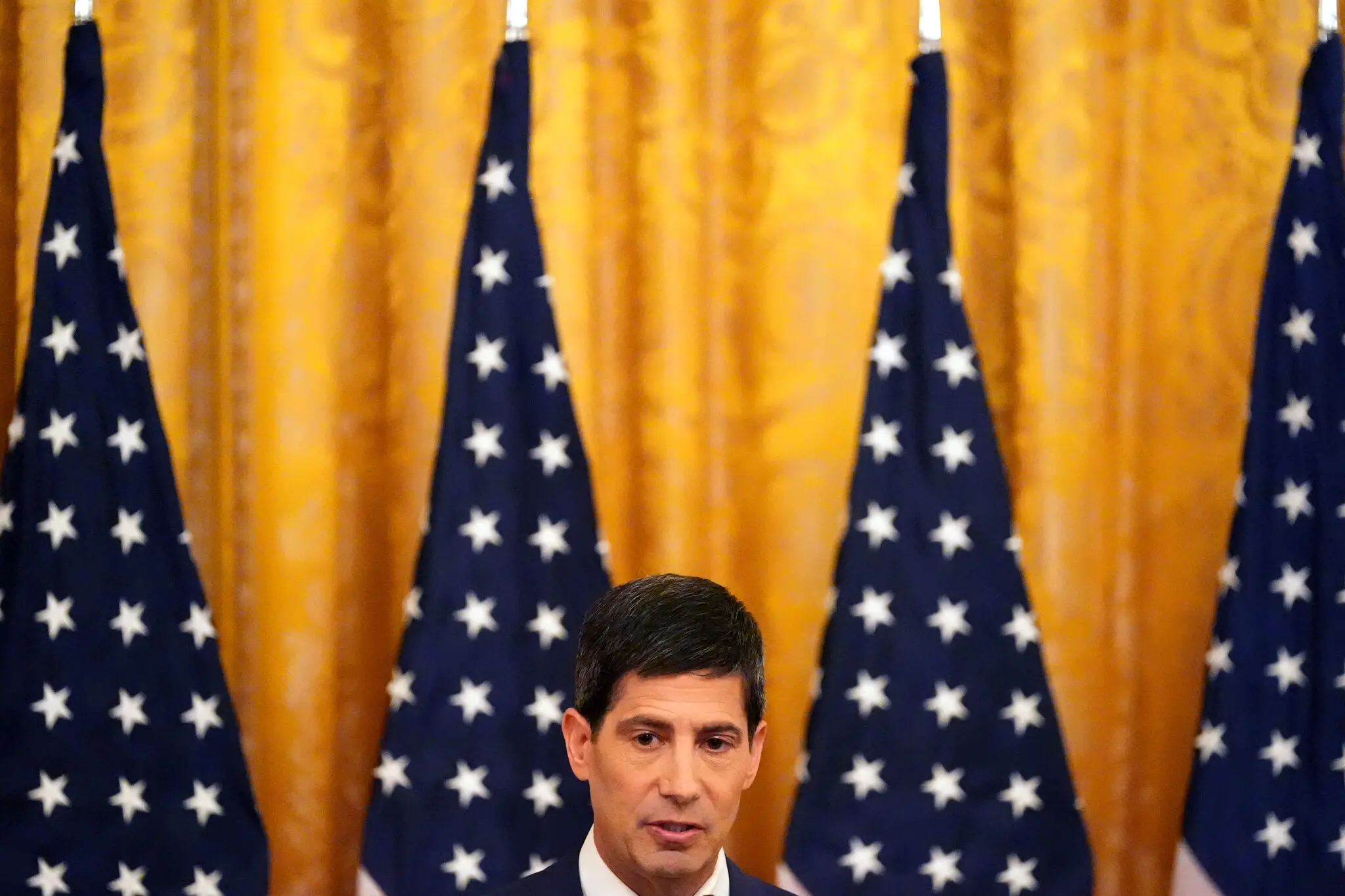
At 2pm today, the Federal Reserve will announce the results of a particularly closely watched meeting to deliberate a possible change in interest rates. While the central bank is likely to leave rates unchanged, that outcome is not foreordained. And economists and financiers will be equally interested in what the new chairman, Kevin Warsh, says at the second press conference of his short tenure. While President Trump lambasted his predecessor, Jerome Powell, for not cutting rates, Warsh has been known for favoring a tough stance against inflation, which has now been running above the Fed’s 2% target for 63 months. Even if the Fed leaves rates unchanged, there could well be dissents among the 12 open market committee members.
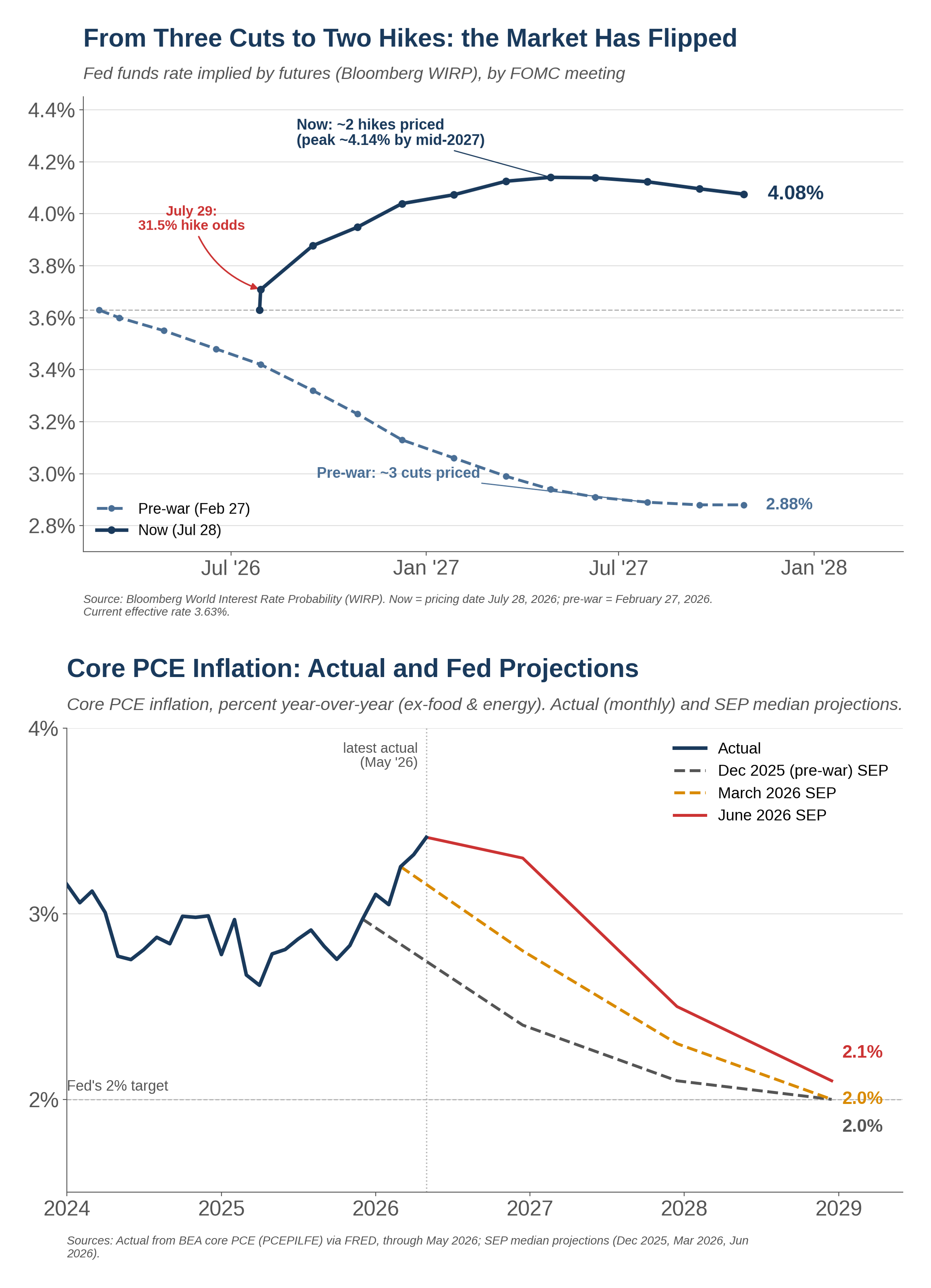
Earlier this year, financial markets were expecting rates to continue to decline this year by as much as 0.75 percentage points, as the Covid-related inflation surge ebbed. But that trajectory has flipped around and in just the past week, markets have raised the probability of an increase today to just over 30%. Even if the Fed holds rates constant today, traders expect two hikes (a total of 0.5 percentage points) by the middle of next year. That would take rates back to where they were last October.
Why? In large part because of the upsurge in inflation since Trump began the war against Iran at the end of February. Last December, the Fed believed that inflation would ebb significantly in the course of this year. Even in March, after the war began, it expected the rate of price increase to ebb rapidly. But in its June forecast, as the war continued to grind on, it projected inflation remaining above 3% into next year. That was a month ago and with the war showing no sign of ending, expectations of future inflation have continued to deteriorate.
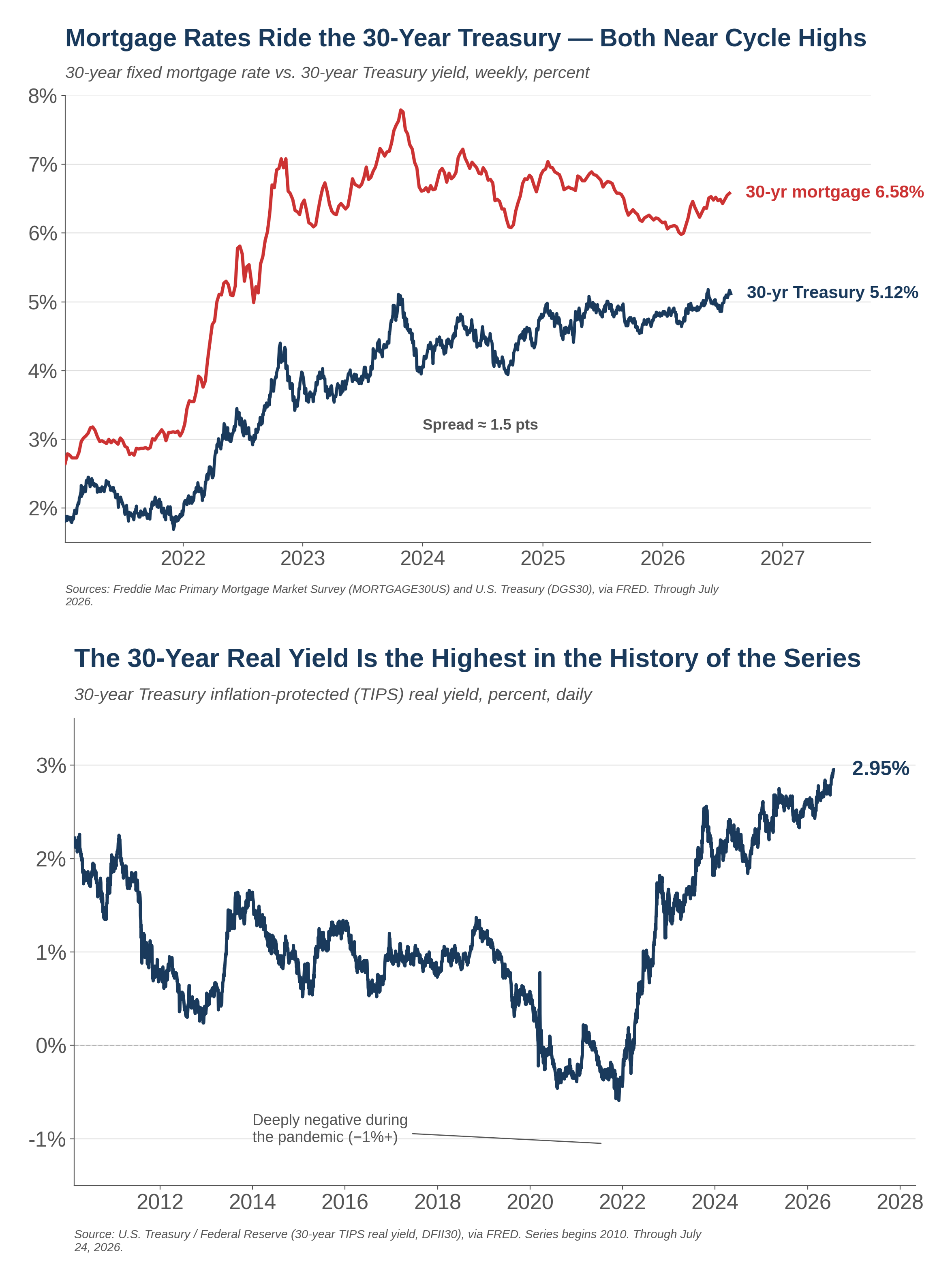
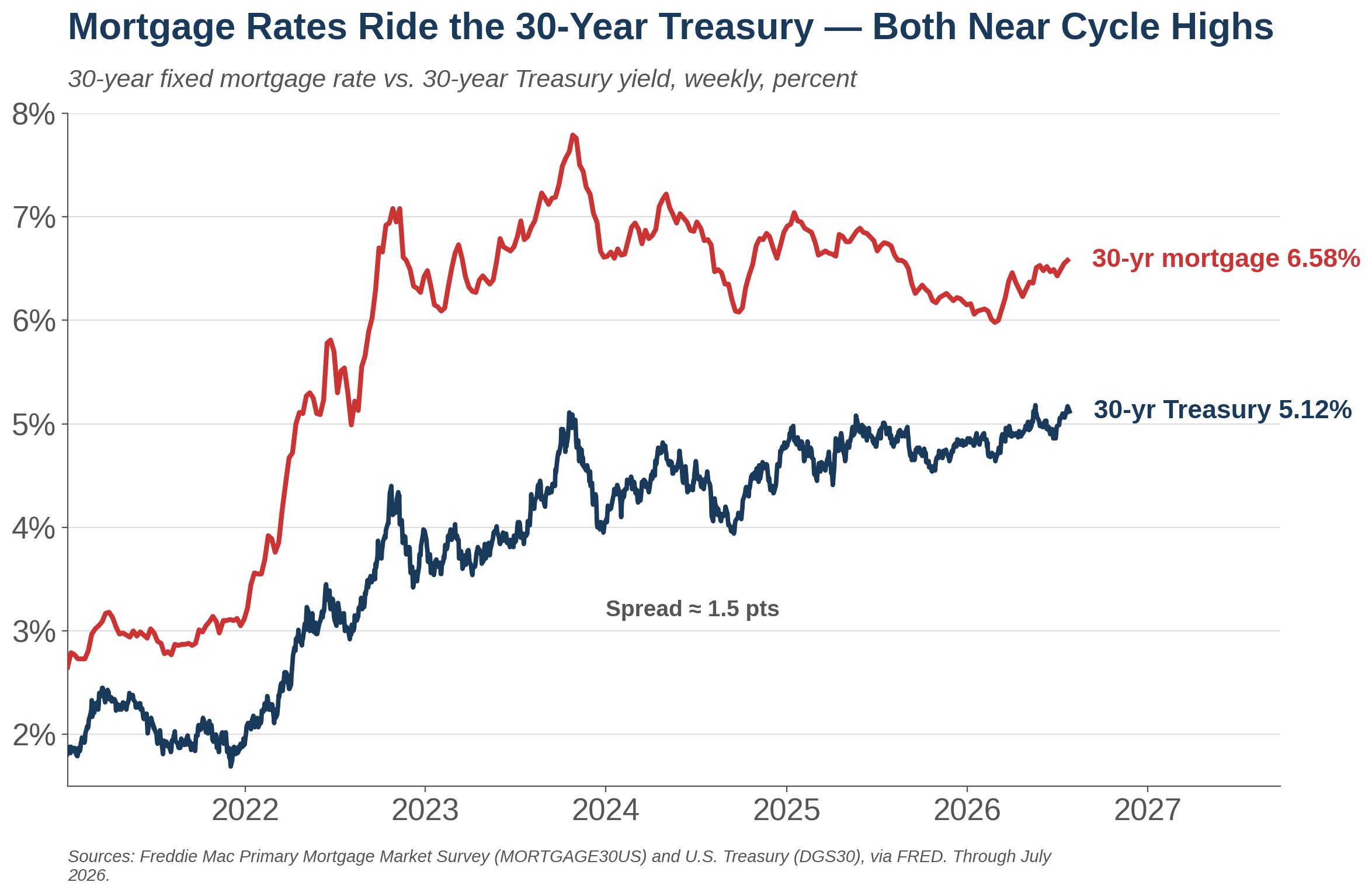
The Federal Reserve only controls short-term interest rates. Long-term interest rates are principally a function of inflation expectations and the real returns investors demand, so no surprise that those have also been increasing. The rate on the 30-year Treasury bond has been above 5% for about 30 days, the longest such stretch since 2007. For now, mortgage rates, which are currently around 6.6% have not fully reflected the increase in Treasury rates but that could be coming. In any event, Fannie Mae expects mortgage rates to still be at 6.4% at the end of the year, which obviously has negative implications for potential homebuyers.
Adjusting for inflation, rates are even higher relatively, at nearly 3%, the highest in at least 15 years. Inflation-adjusted rates at this high a level has significant negative implications for both consumers and businesses.
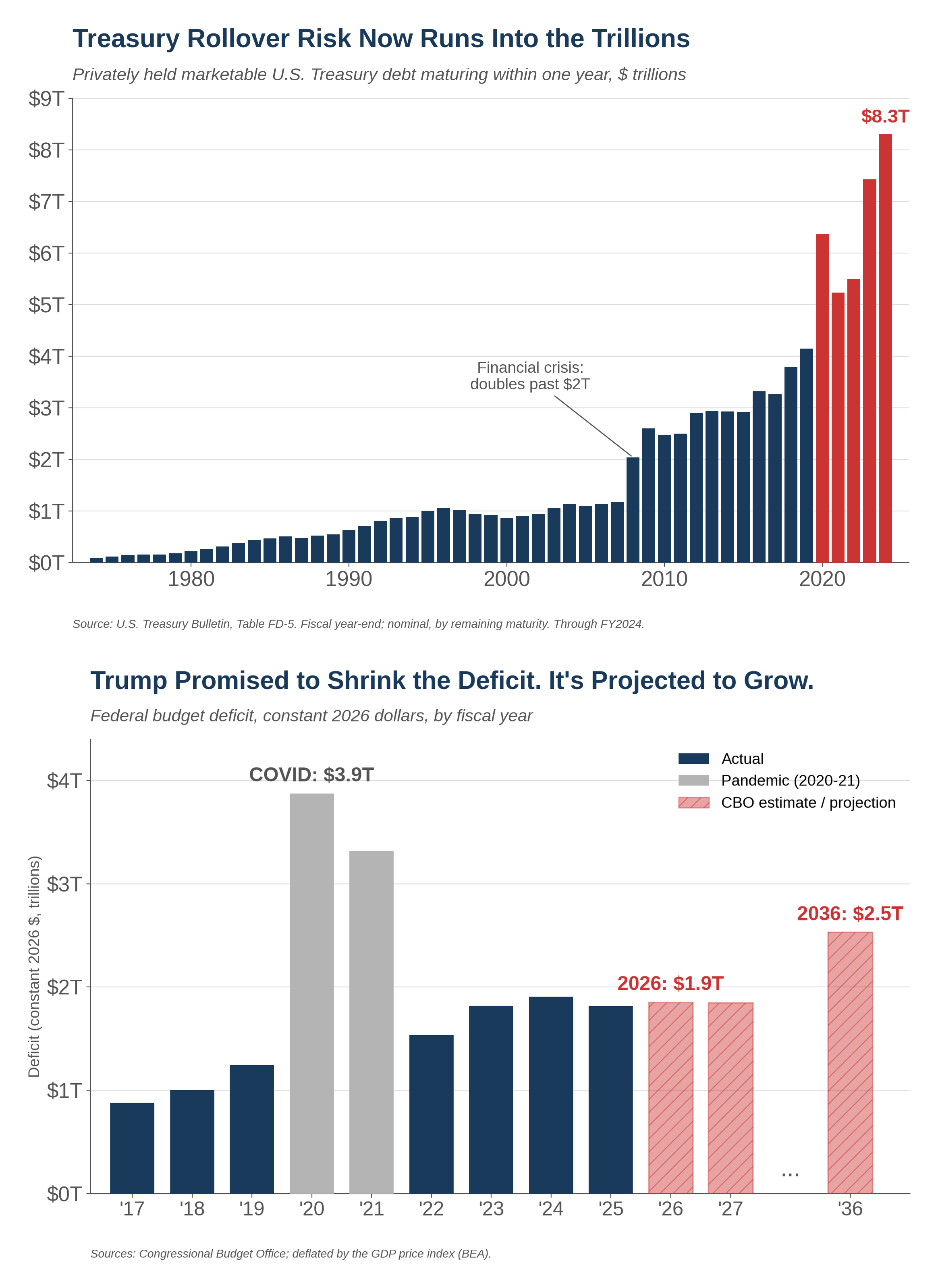
Why are “real” interest rates so high? It’s a particularly negative signal about how the bond market is feeling about the state of government finances. Because short-term interest rates are almost always lower than long-term interest rates, a succession of administrations have been borrowing to finance deficits for shorter and shorter periods of time. That means more refinancing – an estimated $8.3 trillion over the next year. And because much of the earlier borrowing was done when rates were lower, it means higher interest costs for the federal government.
That comes at a time when deficits are still increasing (Trump’s claims to the contrary notwithstanding). The deficit this year will be $1.9 trillion, roughly 6% of gross domestic product, a level traditionally only seen in war or recession. And the Congressional Budget office projects that by 2036, under current policy, the deficit will reach $2.5 trillion and the national debt will be $46 trillion in today’s dollars (or 120% of U.S. GDP).