Morning Joe Economic Analyst Steve Rattner breaks down the hawkish outcome of Kevin Warsh’s first FOMC meeting.
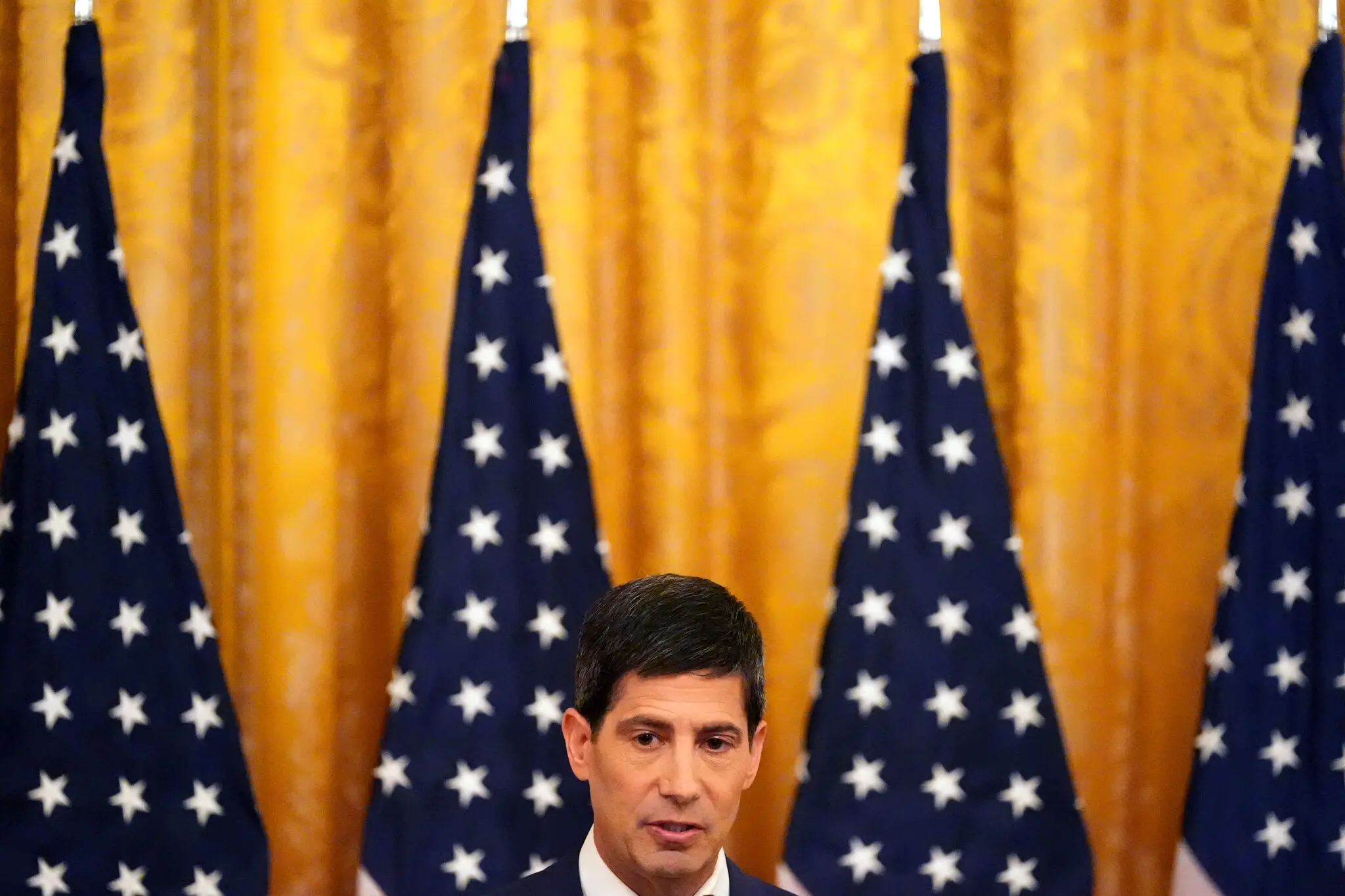
President Trump wanted a new Fed chairman who would cut interest rates. He does not appear to have gotten his wish. On Wednesday, Kevin Warsh presided over his first meeting as the new chairman of the Federal Reserve Board facing a variety of pressures, in addition to what may come from Trump. Warsh is facing an economy that has recently shown some signs of strength, a significant increase in inflation and suggestions from other members of the Fed’s rate setting committee that the next change in interest rates may be an increase. As expected, the Fed left interest rates unchanged but signaled in smaller ways that change is coming to the Fed.

The Fed has two responsibilities: controlling inflation and maintaining full employment. On the inflation side, the news has not been good. While inflation has been declining gradually from pandemic levels, the war in Iran has caused a surge, particularly – but not exclusively – in the cost of gasoline and other petroleum products. Even if those costs are excluded, prices – using the Fed’s preferred measure – still rose in April by 3.3% over the past year. That represents a reversal from the decline in the inflation rate following the pandemic. But the rate never got down to the Fed’s 2% target before the war began.
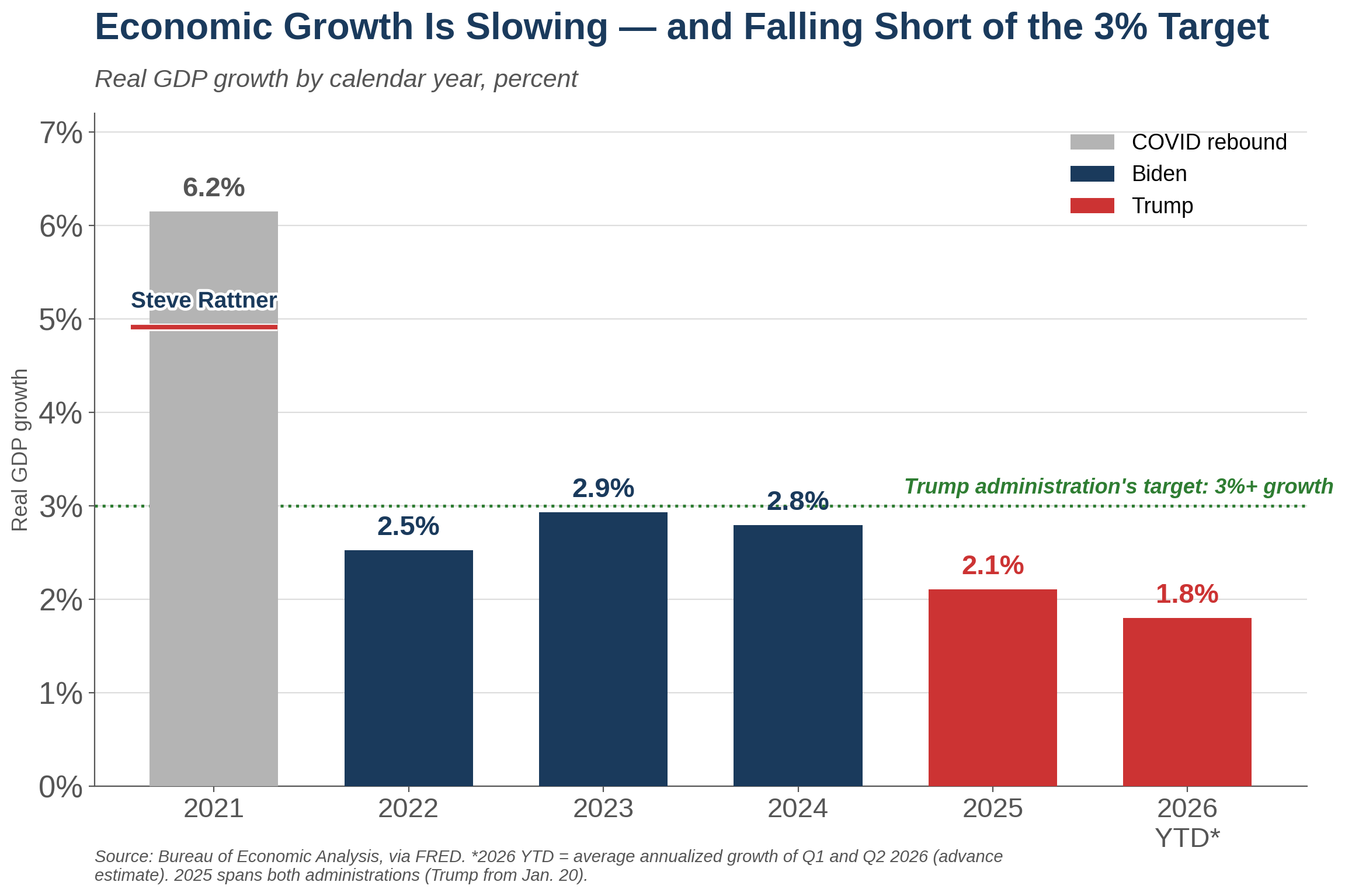
On the other hand, job growth – which had been a noticeable weak spot in the economy – has shown surprising life. Over the past three months, job creation has averaged 190,000 additions per month, compared to 46,000 per month since President Trump returned and 122,000 per month during the last year of the Biden administration.

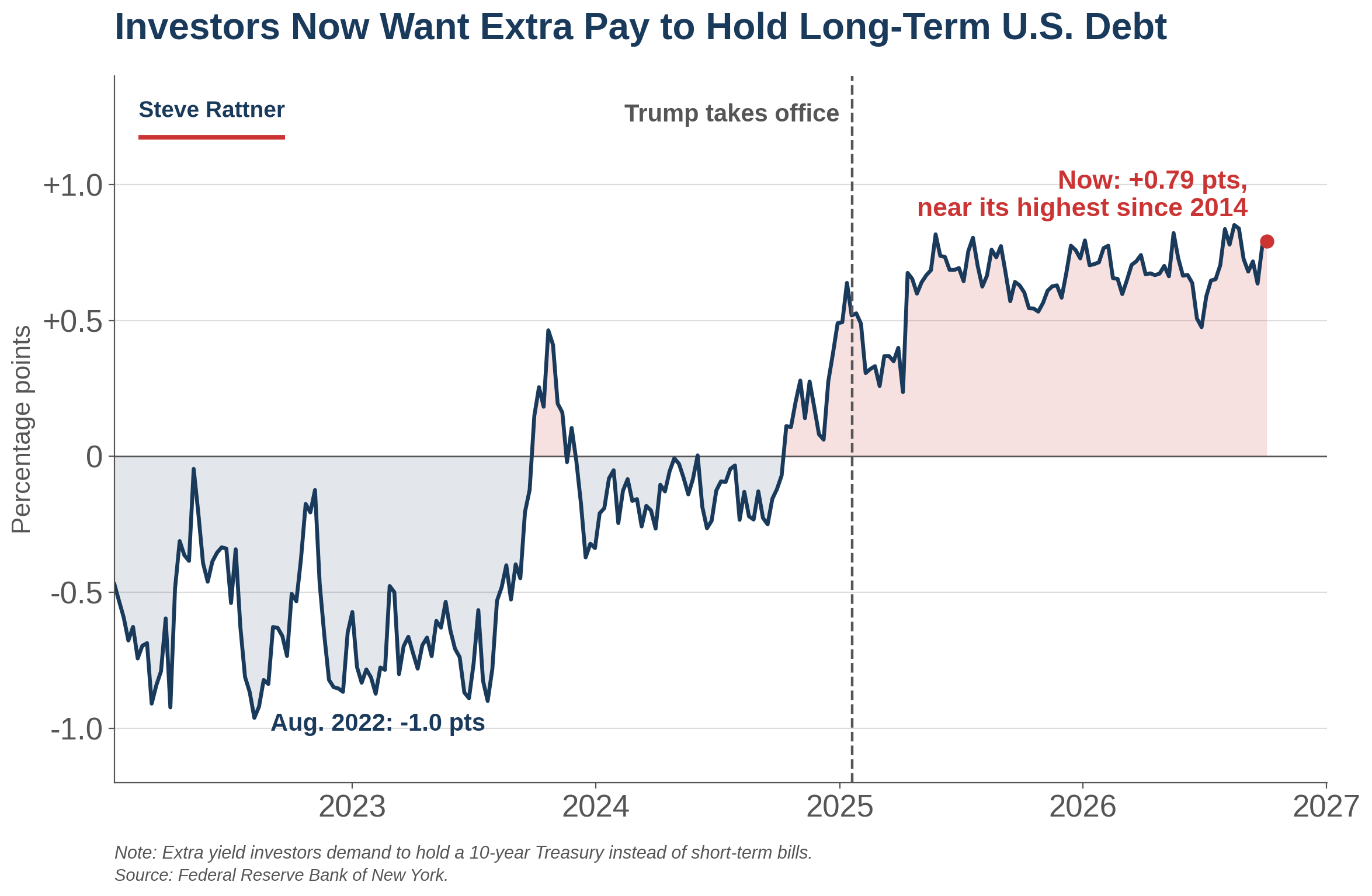
Given the strong economy, it shouldn’t be surprising that the Fed has now fully backed off the notion of interest rate reductions for the medium term. Indeed, the consensus among members of the Federal Open Market Committee was that rates are likely to increase before they fall. Moreover, the financial markets are expecting higher rates for longer than the Fed is anticipating. This is not going to make President Trump happy.
A Warsh footnote: The Fed’s outlook is derived from anonymous submissions from each of the 19 members. Warsh has been a critic of this “forward guidance” and so declined to submit a set of dots.
Even with higher rates, the Fed does not expect inflation to decline at all in 2026 nor does it forecast it reaching the 2% level by 2028. This is also a significant shift from the Fed’s view before the war began.

Two other noteworthy aspects of the first new Fed chairman in eight years:
First, Warsh will be inheriting the highest inflation of any Fed chairman since Alan Greenspan took over in 1987. While that’s still a far cry from the inflation of the 1970s, it still makes for a tough assignment for the new chair and even tougher because the Fed essentially reversed policy at his first meeting, moving from a bias toward lower rates toward an outlook that suggests higher ones. (Interestingly, Mr. Warsh’s two predecessors inherited inflation running below the Fed’s target.)
And second, Warsh has lost no time in making clear that change is coming to the Fed. As part of his criticism of “forward guidance,” Warsh pared down his committee’s traditional statement following Fed meetings to just 132 words. That compares to an average of 372 words under Warsh’s immediate predecessor, Jerome Powell, and a whopping 604 words under Janet Yellen.