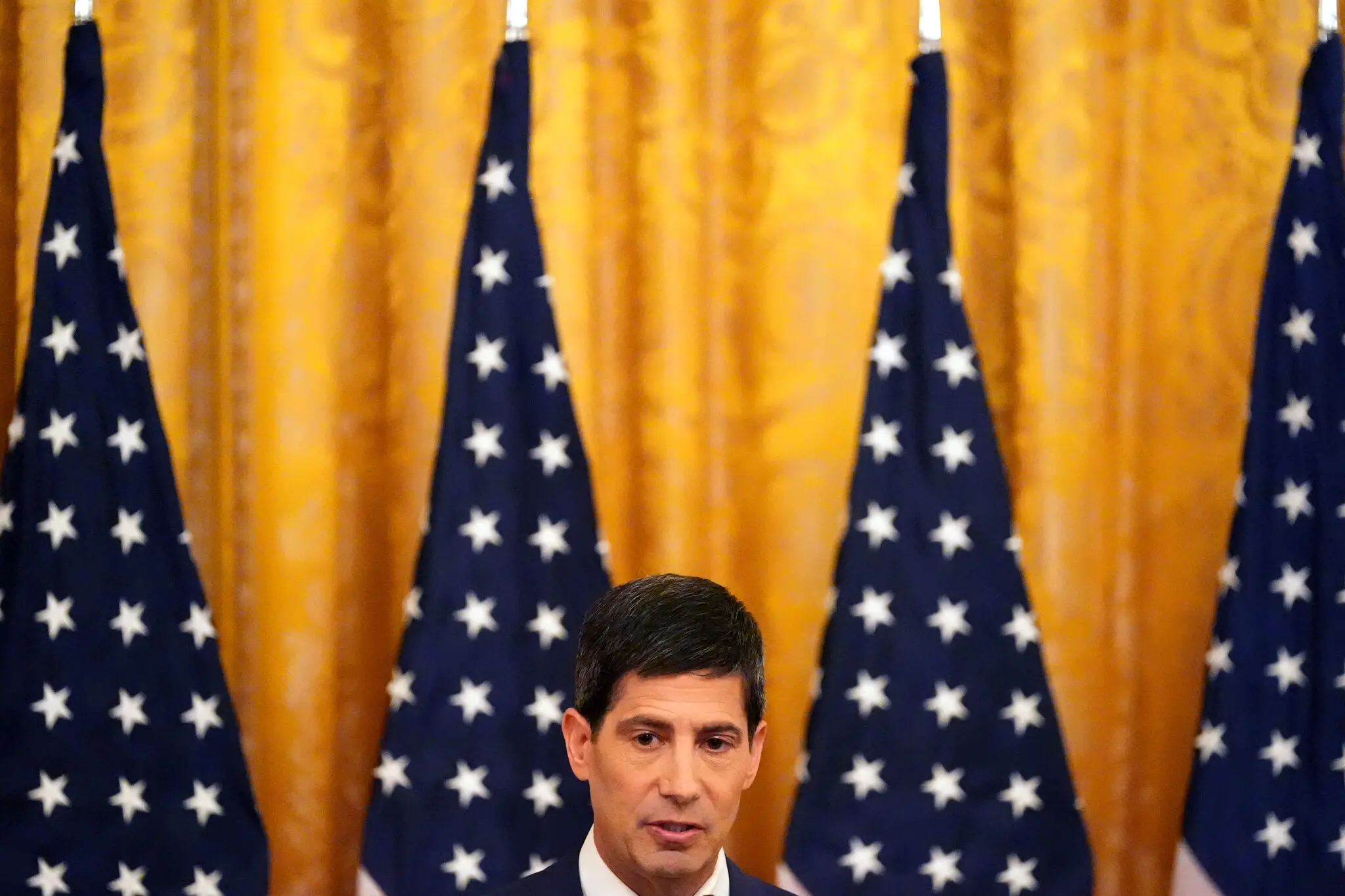
On MS NOW’s Morning Joe today, Steven Rattner broke down the disastrous impact of the Republicans’ Obamacare cuts.
While Americans’ discontent tends to focus more on inflation, housing and general affordability, health care may also be playing a role in their unhappiness. Last fall, Senate Democrats forced a government shutdown that would become the longest in history, largely over the question of whether to extend expiring health care tax credits that had been instituted as part of a Covid relief package. Democrats lost that fight and the consequences of that loss are now becoming clear. (Note that these tax credits – and the resulting impact – relate to Americans who purchase their health care on the exchanges set up via the Affordable Care Act.)

First, as experts warned, the cost of insurance bought on the exchanges, after accounting for tax credits, has been rising sharply, to $178 a month from $113 a month last year. That’s an increase of 58% in a single year. That’s also higher than the average premium back in 2021, before the credits were instituted.
But those costs are not evenly distributed. Those further down the economic ladder have smaller increases in dollar terms, although substantial as a share of their income. A 60-year-old individual making $65,000 a year would see their premium rise by $920 a month, which is $11,040 a year, an unaffordable amount for someone with that level of pre-tax income.

The expanded tax credits, which were passed in 2021 were designed in part to eliminate a design flaw in how the original Obamacare subsidies worked. Under the ACA, once an individual’s income passed 400% of the federal poverty line, or $62,600 in 2025 – just below the median income of $63,360 for full-time, year-round workers – their entitlement to tax credits went away, causing premiums as a share of income to shoot up (as explained above). As incomes rose, the impact of the lost subsidies diminished. The enhanced premium tax credits capped the share of income that anyone would have to pay in the marketplace at 8.5% of their income. For 60-year-olds, for example, these tax credits generated savings for incomes up to $180,000.
The sharp increase in premiums for so many are expected to result in between 17% and 26% of marketplace participants dropping out. While definitive data won’t be available until summer, of those who enrolled in January 2026 alone, 14% didn’t pay their first premium. Not surprisingly, those who drop out first are often among the healthiest, which means premiums rise even more for those who remain enrolled.

The expiration of the enhanced tax credits is not the only change that Republicans made last year to the health care system. They also put a variety of new limits on Medicaid, which were (cleverly) designed not to take effect until after the 2026 midterm election. The expiration of the tax credits is expected to result in 4 million Americans giving up coverage; the Medicaid changes could add another 6.5 million to the rolls of the uninsured. In other words, half of those who gained coverage since the passage of the A.C.A. will now lose it by 2034.
While we don’t have national data, data for a few states have been trickling in, and it suggests that the estimates are directionally correct. In Georgia, 37% fewer residents bought insurance in the marketplace than they did a year earlier. That brought the number of Georgians buying insurance through the exchanges back to where it was in 2023.