On MS NOW’s Morning Joe, Steve Rattner breaks down how Trump’s failure to end the War and reopen the Strait of Hormuz is behind skyrocketing prices at the pump.
President Donald Trump can continue vacillating to his heart’s content about the conditions under which he is prepared to end the war against Iran, but one truth remains: There is no plausible way of leaving without reopening the Strait of Hormuz so that shipping can resume through that narrow corridor. Otherwise, the world – including the United States – will be facing continued high oil prices as well as the possibility of shortages like we endured in the 1970s.

Before the war began a month ago, about 20% of the world’s oil (and a significant amount of liquified natural gas) passed through the Strait, including most of the oil produced by Saudi Arabia, Iraq and the United Arab Emirates. While there are pipelines across Saudi Arabia and the U.A.E. to help mitigate the Strait of Hormuz problem, these pipelines are now being fully utilized and don’t have nearly the necessary capacity.
So while we’ve long known about the risks posed by the Strait, this is the first time that a closure has occurred, which makes the current disruption the largest ever. All of the prior oil supply interruptions – including even those of the 1970s – curtailed less than 10% of the amount of oil that the world then used. Developed countries have responded by taking oil from their strategic reserves, but this only covers a portion of the lost supply and only for a limited period of time.

Even though the U.S. is a net exporter of petroleum, oil is freely traded around the world so prices also rise here, as $4 per gallon average gasoline prices indicate. Apart from gasoline, higher oil prices filter through to many other products, some obvious (like airline fares) and some perhaps less obvious (like food because of higher fertilizer and diesel costs). That has caused economists to start raising their inflation forecasts for this year, to as much as 4.2%.
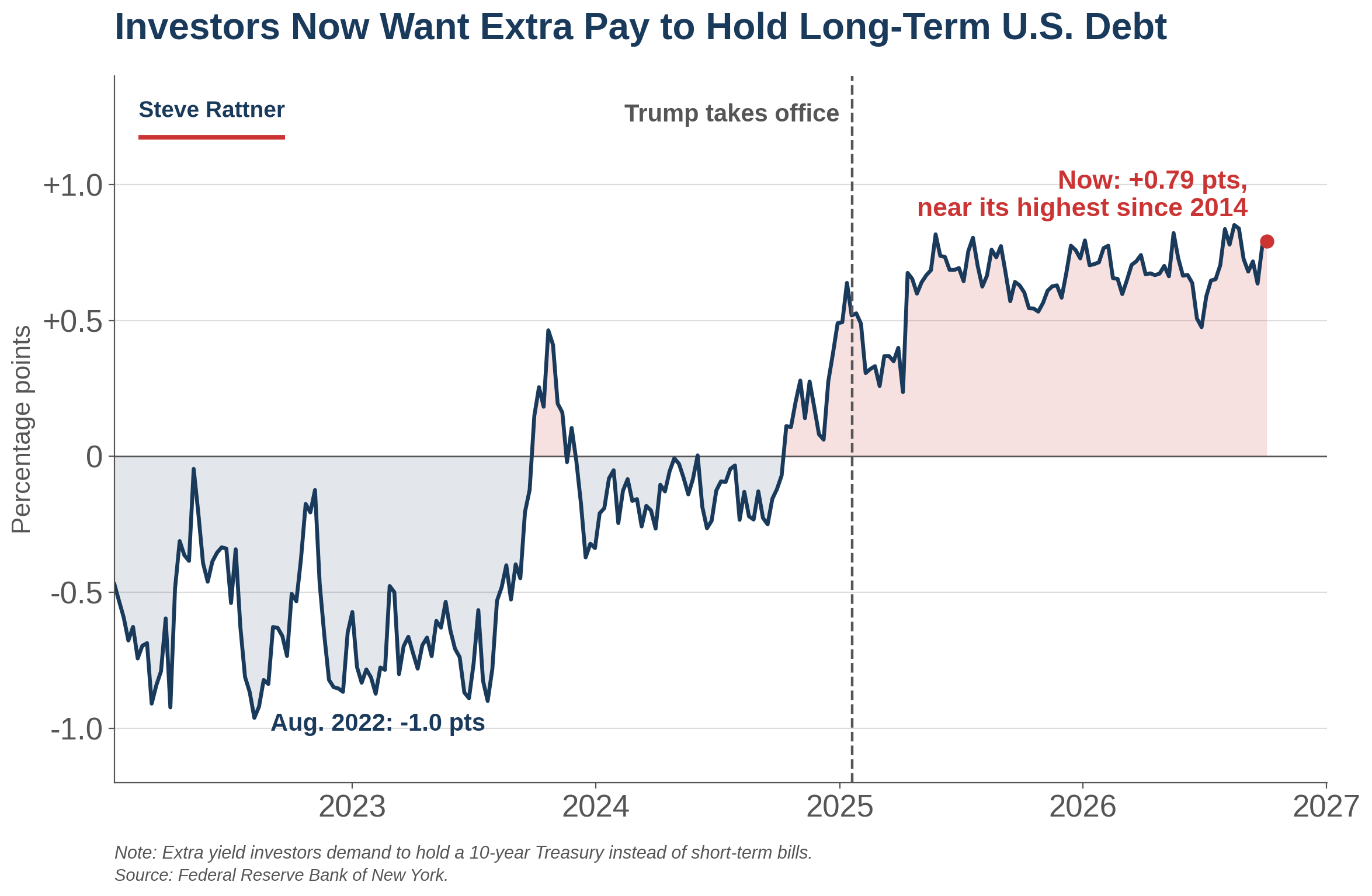
Higher inflation, in turn, has significant implications for further interest cuts by the Federal Reserve. Before the war began, the central bank was expected to reduce interest rates by at least twice by the end of the year. Now rates could be almost a half percentage point higher than the market had anticipated.

Part of the growing pessimism about inflation and interest rates stems from the belief that even if the war ends, oil prices are unlikely to revert to previous levels anytime soon. For example, two years from now, oil prices are forecast to be $5.99 per barrel higher than was expected before the hostilities commenced. With 42 gallons in a barrel, that translates into gasoline prices that could be 14 cents a gallon higher than previously projected.
One other consequence of the administration’s failure to anticipate the effects of a closure of the Strait of Hormuz: To keep prices from escalating even more, Trump granted Russia partial relief from the sanctions that were imposed after the Ukrainian invasion. A combination of that relief plus the benefits of higher energy prices are likely to increase Russia’s energy revenues threefold each month.